Local, considered pest control
A practical plan for your property
Noise in a loft is not enough to identify the animal. We inspect for entry points, droppings, nesting material, gnawing and the timing of activity before recommending a lawful, proportionate response.
Our service starts with a careful assessment. We explain what we find, the available options and anything you need to do before or after treatment. Work is arranged discreetly at a time that suits the property.
Signs to look for
- Heavy movement in a loft, often around dawn or daylight
- Gnawing to timber, stored items or cables
- Damaged vents, soffits or roof edges
Why call a professional?
- Correct identification before treatment
- Professional products and equipment
- Advice specific to your building
Prefer to talk it through?
Call us or send a short enquiry — photographs help when they can be taken safely.
Squirrels in the loft
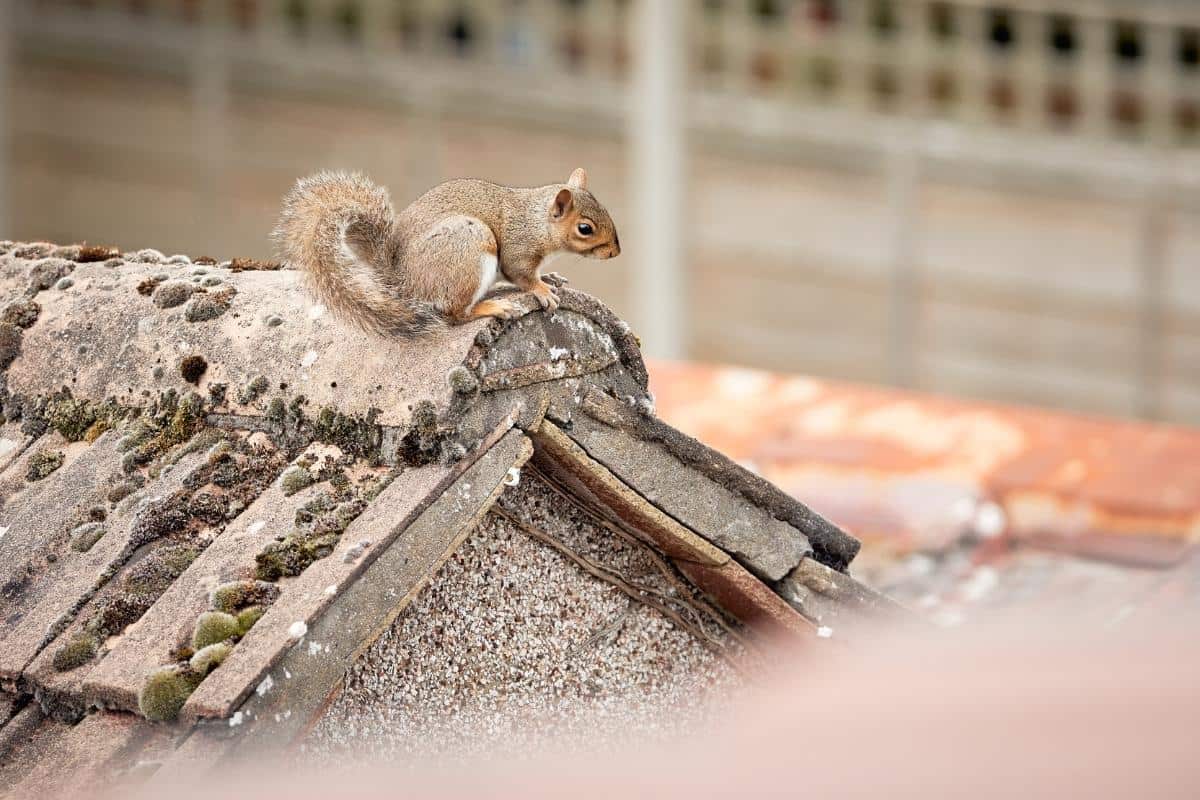
Grey squirrels may enter roof spaces for shelter and nesting. They are heavier and more active by day than mice, but sounds travel through buildings and identification should not rely on noise alone. A survey can distinguish squirrel evidence from rats, mice, birds and other causes.
Why early action matters
Persistent gnawing can damage stored belongings, timber, insulation and electrical cables. Nesting material may also create obstruction or contamination. Avoid entering a confined loft to corner an animal, and do not seal the only active opening while a squirrel or dependent young could remain inside.
Control and proofing
Grey squirrel control is governed by wildlife law and captured animals cannot simply be released elsewhere. The right approach depends on the building, access and time of year. Once activity has been resolved, suitable entry points can be repaired and nearby branches or defects reviewed.
Safety around people and pets
We select methods suited to the pest and who uses the property. You will receive clear preparation and aftercare instructions, including any temporary restrictions for children or pets. Tell us about vulnerable occupants, animals or access constraints when you enquire. Do not assume a product is “pet safe” without following the specific instructions for your treatment.
What happens next?
Confirm the animal and active access points
Agree safe and lawful control measures
Plan proofing after activity has stopped
Related advice and services
- What to do about squirrels in the loft
- Advice for controlling grey squirrels
- Compare signs of rat activity
Serving Nottinghamshire
From our Nottingham base we help customers throughout the city and surrounding areas, including Arnold, Gedling, Beeston, West Bridgford, Hucknall, Mansfield, Southwell and Newark.
Ready to deal with the problem?
Tell us what you have seen and we will explain the next step.