Local, considered pest control
A practical plan for your property
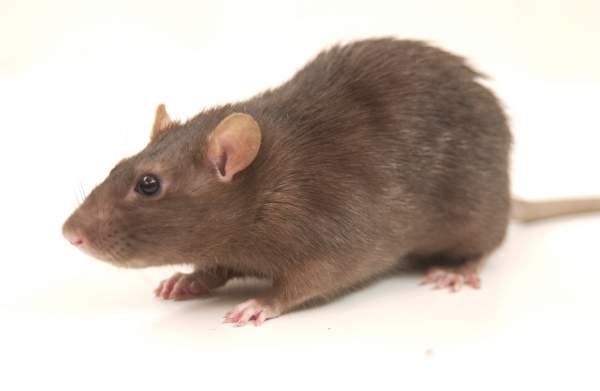
Rats require a measured approach that considers drains, neighbouring land, food sources and building defects. We assess the whole pattern of activity before beginning control.
Our service starts with a careful assessment. We explain what we find, the available options and anything you need to do before or after treatment. Work is arranged discreetly at a time that suits the property.
Signs to look for
- Larger capsule-shaped droppings
- Burrows, runs or greasy rub marks
- Noises beneath floors or after dark
Why call a professional?
- Correct identification before treatment
- Professional products and equipment
- Advice specific to your building
Prefer to talk it through?
Call us or send a short enquiry — photographs help when they can be taken safely.
Our rat removal process
We begin with a survey of the building and outside areas, looking for runs, burrows, droppings, gnawing and access points. Treatment is planned around the site and checked as work progresses. Control, carcass recovery where accessible, sanitation advice and proofing recommendations form one joined-up process.
Drainage problems and access
Damaged drains, redundant pipework and gaps around services can provide routes into buildings. Rat activity is not always caused by drains, so we consider gardens, neighbouring land, waste, bird feeding and structural defects too. Where evidence points underground, further drainage investigation may be appropriate.
Signs of a rat problem
Look for capsule-shaped droppings, greasy rub marks, gnawed materials, footprints in dusty areas, burrows and scratching beneath floors or in roof spaces. Rats are mainly active after dark, so signs are often noticed before the animals themselves.
Rat prevention
Secure food and animal feed, keep bins closed, clear persistent spillages and avoid leaving dense cover against the building. Repair defects after active routes are understood, maintain drainage and review external sources such as compost, fallen fruit and bird food. Prevention advice should be specific to the property rather than a generic checklist.
Safety around people and pets
We select methods suited to the pest and who uses the property. You will receive clear preparation and aftercare instructions, including any temporary restrictions for children or pets. Tell us about vulnerable occupants, animals or access constraints when you enquire. Do not assume a product is “pet safe” without following the specific instructions for your treatment.
What happens next?
Inspect the property and surrounding risks
Create a safe, targeted treatment plan
Trace access and advise on proofing
Related advice and services
Serving Nottinghamshire
From our Nottingham base we help customers throughout the city and surrounding areas, including Arnold, Gedling, Beeston, West Bridgford, Hucknall, Mansfield, Southwell and Newark.
Ready to deal with the problem?
Tell us what you have seen and we will explain the next step.